
Static Mixer vs Dynamic Mixer: Which Inline Mixing Technology Fits?
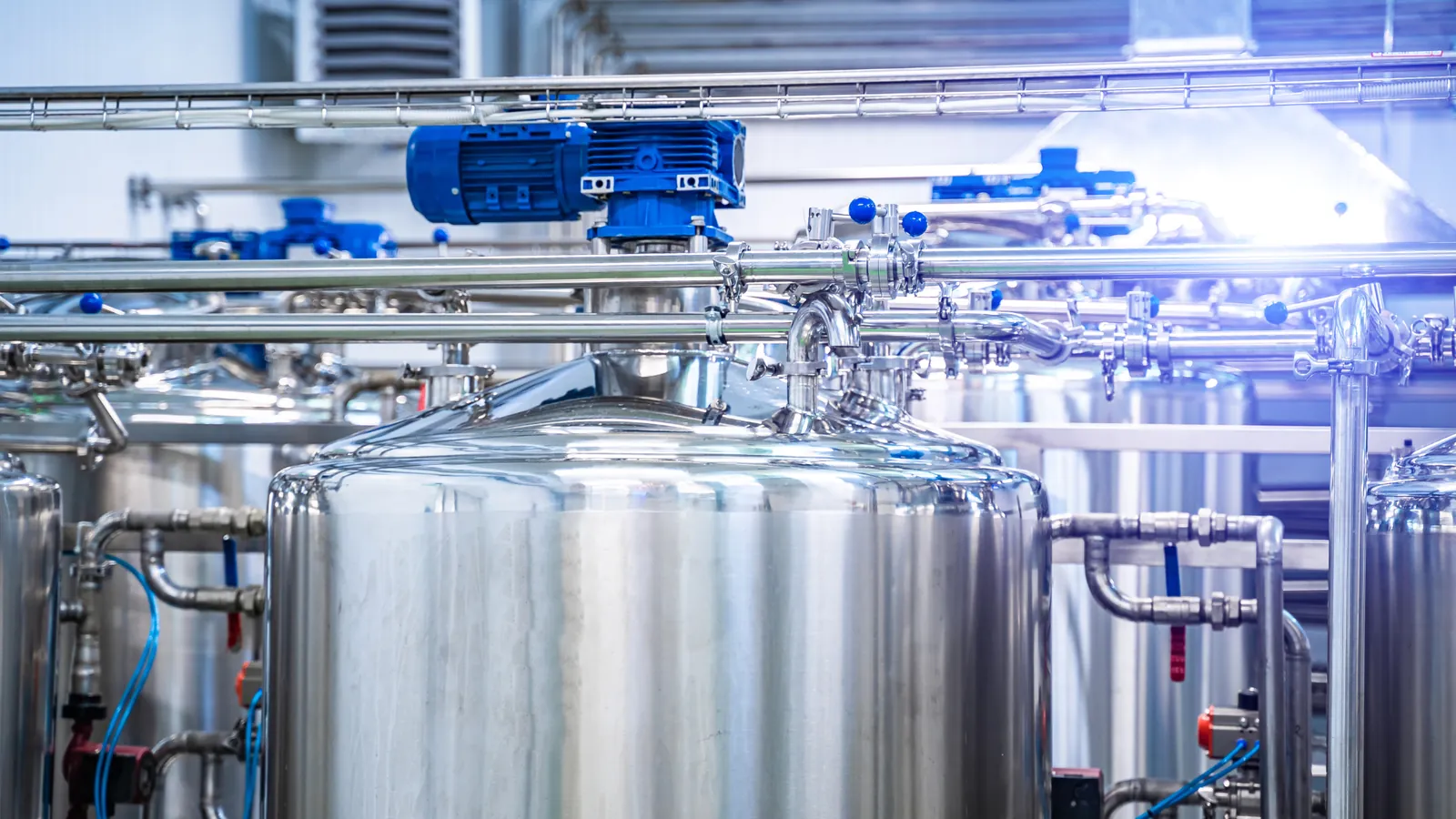
Table of Contents
KEY TAKEAWAYS
- Static mixers win on TCO — zero moving parts means zero maintenance, and energy is just the pump's existing head, while dynamic mixers carry motor + seal + bearing costs for life.
- Mixing time: static = < 1 second inline; dynamic = 10-60 seconds in a tank — static wins for continuous dosing, dynamic wins for batch residence.
- Mixing quality is comparable when correctly sized: both can reach CoV < 0.05; dynamic mixers add shear capability for emulsification.
- Pressure drop is the static mixer's tax: 0.3–2.0 bar depending on elements and flow — verify pump head before retrofitting.
- Choose static for continuous inline dosing (water treatment, chemical, polymer); choose dynamic for batch, solids suspension, or shear-sensitive reactions.
1. The Two Approaches to Mixing
Static mixers — fixed elements inside a pipe; the fluid's own kinetic energy does the mixing. No motor, no shaft, no seals.
Dynamic mixers — a motor-driven impeller (or rotor) in a tank or inline housing; mechanical energy creates mixing. Includes agitators, inline blenders, and high-shear mixers.
Both achieve homogeneous blending — but the right choice depends on process type, duty cycle, and cost structure. This guide compares them on the axes that matter.
2. Side-by-Side Comparison
| Factor | Static mixer | Dynamic mixer |
|---|---|---|
| Moving parts | None | Motor, shaft, impeller, seals |
| Maintenance | Zero (no wear items) | Seals/bearings on schedule; motor service |
| Energy cost | Only pump pressure (existing head) | Motor electricity (0.5–50+ kW) |
| Mixing time | < 1 second | 10–60 seconds (batch) / inline rotor seconds |
| Mixing quality | CoV < 0.05 (well-designed) | CoV < 0.05 + shear capability |
| Shear | Low-moderate | High (emulsification, dispersion) |
| Solids suspension | Poor | Good |
| Continuous flow | Native fit | Possible, more complex |
| Batch operation | Less suited | Native fit |
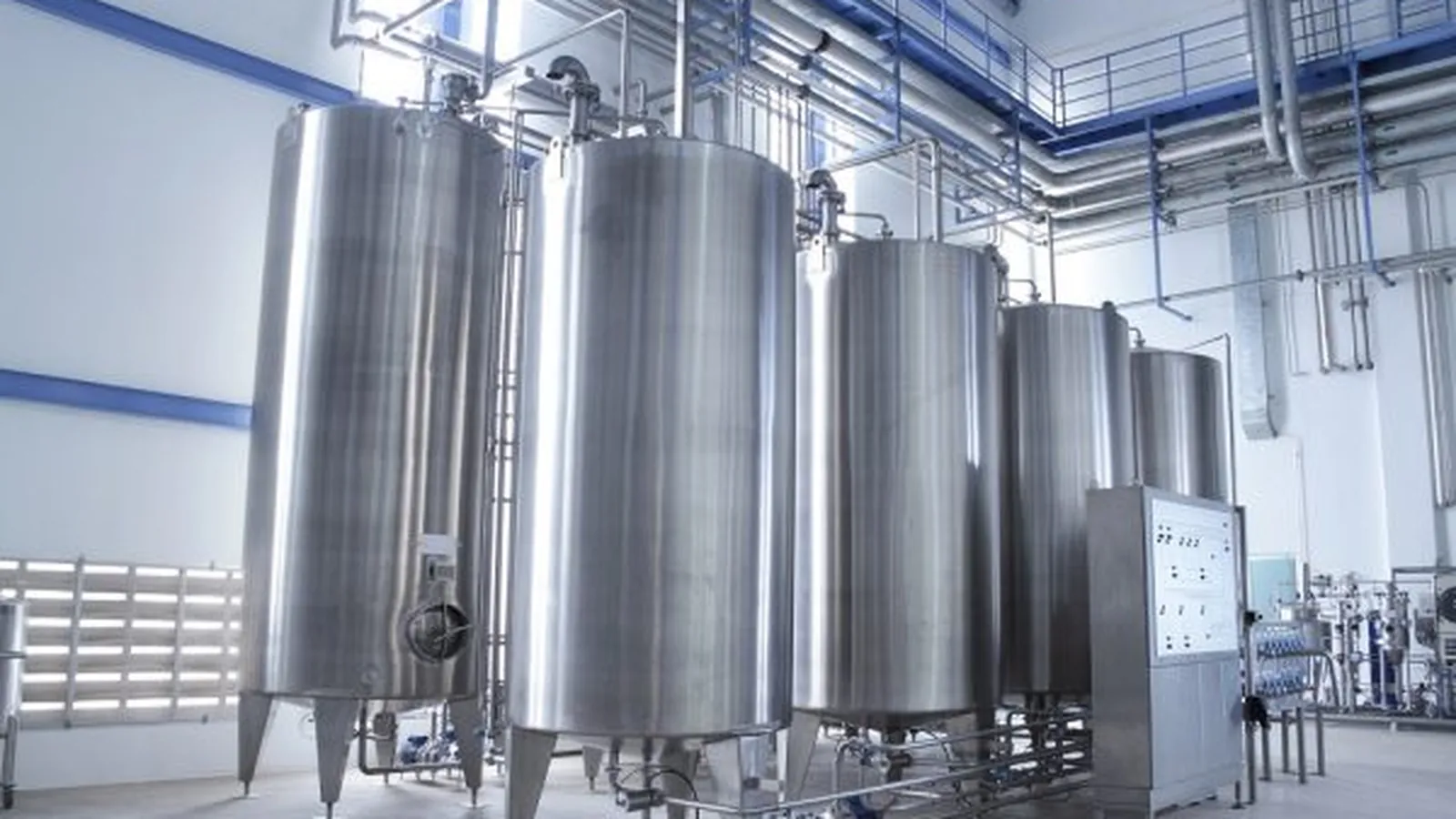
| Space | Inline — fits pipe | Tank + motor + footprint |
| Capital cost | Low (pipe section) | High (motor + gearbox + vessel) |
| Noise | Silent | Motor noise |
| Failure mode | None (no wear) | Seal leak, motor burnout |
3. When to Choose a Static Mixer
Continuous inline dosing is the native home of static mixers:
- Water/wastewater chemical dosing (coagulant, chlorine, pH)
- Polymer blending in process lines
- Oil & gas inhibitor/methanol injection
- Sanitary CIP chemical mixing
- Any 24/7 process where "maintenance-free" matters
Signs you're a static-mixer candidate:
- ✅ Your process flows continuously in a pipe
- ✅ The goal is homogenization of miscible fluids (no solids, no emulsification)
- ✅ You want zero rotating equipment in a remote/unattended plant
- ✅ You can spare 0.3–2.0 bar of pump head
4. When to Choose a Dynamic Mixer
Batch and energy-intensive duty belongs to dynamic mixers:
- Batch tanks — mix, hold, react, then drain
- Solid-liquid suspension (powders into liquid)
- Emulsification (oil-in-water, droplet size control)
- Gas dispersion (aeration, hydrogenation)
- High-viscosity kneading (paste, dough — planetary/dough mixers)
Signs you need a dynamic mixer:
- ✅ Batch or semi-batch operation
- ✅ Solids to suspend or dissolve
- ✅ Shear-sensitive or shear-dependent results (droplet size, emulsion stability)
- ✅ You already have a tank and motor infrastructure
5. The Hidden Trade-off: Pressure Drop vs. Residence Time
The cost of static mixing is pressure drop — every element consumes pump head. The cost of dynamic mixing is residence time and energy — you wait for the tank to homogenize while paying motor kW.
| Static | Dynamic | |
|---|---|---|
| "Tax" | ΔP 0.3–2.0 bar | Motor energy + time |
| Scales with | Flow velocity (quadratic) | Batch volume |
| Failure cost | Pump retrofit if ΔP too high | Seal failure = downtime |
Rule of thumb: If your pump has head margin and your process is continuous, static wins on lifetime cost. If you need time, shear, or solids handling, dynamic is unavoidable — no shame in either choice; they solve different problems.
6. Can They Combine? (Hybrid Installations)
Yes — many plants use both: a static mixer for flash mixing (coagulant) followed by a dynamic flocculator for gentle floc growth, or a static mixer inline with a tank agitator for polishing. The technologies are complementary, not exclusive.
7. Decision Table
| Your situation | Choose |
|---|---|
| Continuous dosing in a pipe, low maintenance priority | Static |
| 24/7 unattended plant (water, chemical) | Static |
| Batch tank mixing | Dynamic |
| Solids into liquid | Dynamic |
| Emulsification / droplet size control | Dynamic |
| High viscosity (paste, melt) | Dynamic (or helical static for melt blending) |
| Retrofitting existing piping, no tank | Static |
| CIP / sanitary inline | Static (sanitary) |
8. Common Questions
Q: Is a static mixer as good as a dynamic one? For homogeneous blending of miscible fluids — yes, at CoV < 0.05. For shear-dependent results (emulsions, dispersion) — no, dynamic is required.
Q: Can I use a static mixer for a batch process? Not natively — static mixers need continuous flow. A recirculation loop with a static mixer can approximate batch mixing.
Q: Which has lower total cost of ownership? Static, for continuous duty: no motor, no seals, no maintenance schedule. The pump may need head margin for ΔP.
Q: Do you supply both types? We specialize in static mixers (stock and custom) — for dynamic mixing we can point you to appropriate vendors. Our strength is inline mixing.
Your Action Roadmap
- Define your process — batch vs continuous, fluids, solids, shear needs.
- Check your pump — head margin for static-mixer ΔP.
- Match technology — use the decision table, or send us your duty.
- Get a quote — static mixers in PVC/PP/PVDF/316, stock or custom.
→ Send us your mixing duty spec for a technology recommendation and quote — typically answered within 24 hours.
NEXT STEP
Need a Static Mixer Sized for Your Line?
Send us your requirements — our team responds within 24 hours with pricing and lead time.
Written by
Ray ChanStatic Mixer Sourcing Specialist. Ray helps global importers and plant engineers source reliable inline mixing products.