
Static Mixers for Polymer Blending: Melt Homogenization Guide
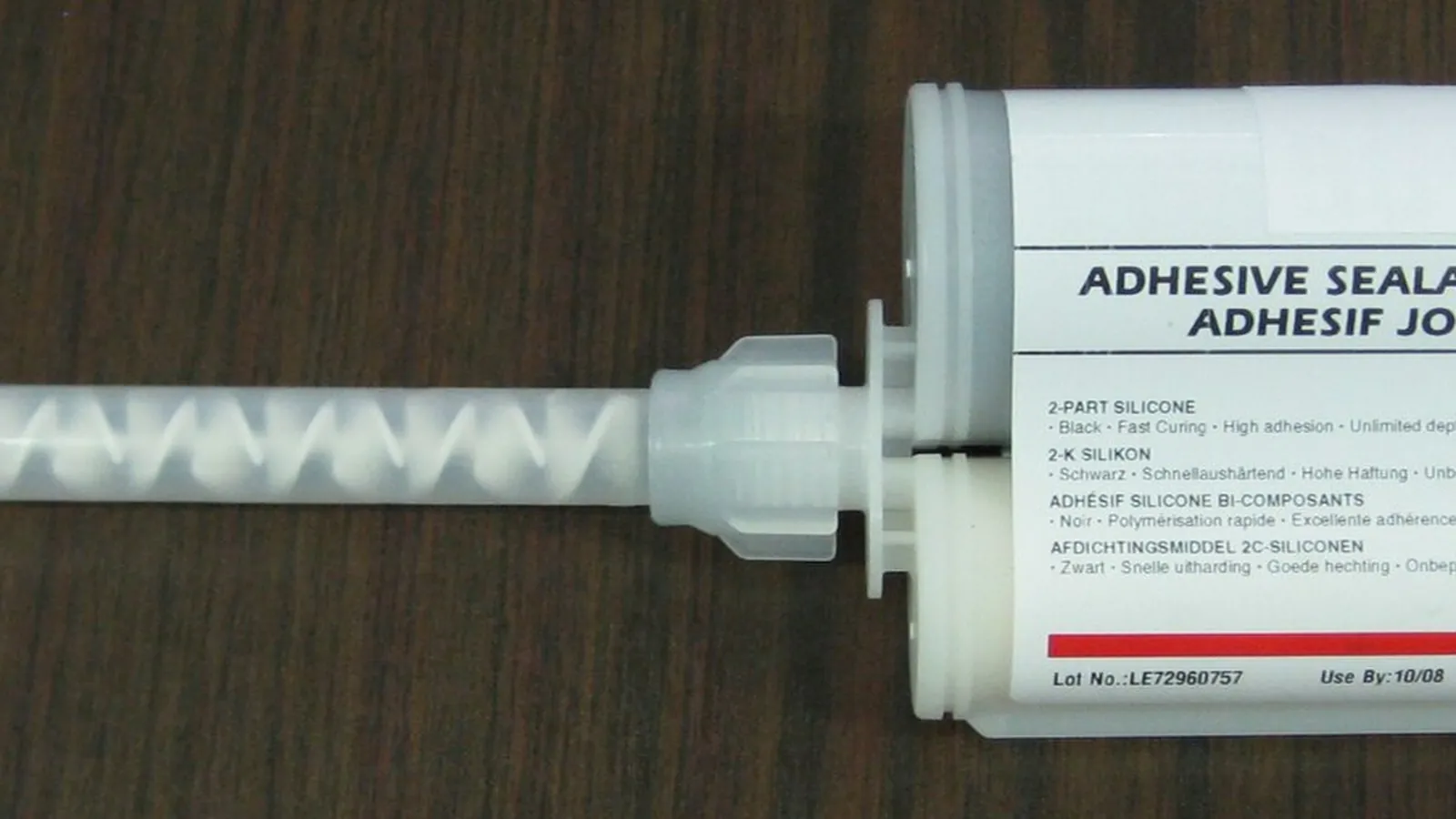
Table of Contents
KEY TAKEAWAYS
- Polymer melts are high-viscosity, laminar flow (Re < 2,000) — helical elements are the native fit, forcing radial mixing that laminar melts can't produce naturally.
- Static mixers in melt lines fix three problems: masterbatch streaks, temperature gradients, and additive stratification — all of which show up as defects downstream.
- Temperature equalization (thermal homogenization) is often the real win — melt core/wall gradients of 10-30°C flatten to near-uniform before the die .
- ΔP matters more in melt lines — melts are 100-1000× water's viscosity; verify the extruder can hold the added head.
- Material is 316 SS / tool steel (melt temps 180-300°C) — plastics never see this service; stainless is the only option.
1. Why Polymer Lines Need Static Mixers
Extruders and molding machines produce viscous, laminar melt that does NOT mix on its own. Common defects from unmixed melt:
- Masterbatch streaks — color/additive concentrate rides the flow path
- Temperature gradients — hot core vs. cooler wall → inconsistent viscosity → warpage
- Additive stratification — UV stabilizer, lubricant, filler not uniformly distributed
A static mixer (helical elements) in the melt line between extruder and die homogenizes all three — the standard "melt blender" position in compounding and extrusion.
2. Helical Elements: The Melt-Line Standard
| Property | Why helical wins in melts |
|---|---|
| Flow regime | Laminar (Re < 2,000) — helical forces radial mixing |
| Geometry | Twisted ribbons divide-rotate-recombine |
| ΔP | Higher than blade — acceptable for the mixing gain |
| Standard count | 6–12 elements |
| Material | 316 SS / tool steel (180-300°C service) |
3. What Melt Blenders Fix
| Problem | Mechanism | Result |
|---|---|---|
| Masterbatch streaks | Concentrate not dispersed | Uniform color/additive |
| Temperature gradient | Core 10-30°C hotter than wall | Flattened profile → stable viscosity |
| Additive stratification | UV/lube/filler layered | Homogeneous properties |
| Pressure/temperature spikes | Surging from screw | Damped, stable flow |
4. Sizing for Melt Lines
- Melt viscosity & flow — from the resin datasheet (melt flow index, temperature).
- Re check — always laminar in melts; helical elements.
- ΔP budget — melts are viscous; ΔP is significant. Verify extruder head capacity.
- Material — 316 SS / tool steel for 180-300°C service.
- Connections — flanged or special melt-line flanges.
5. Materials for Melt Service
| Duty | Material | Temp |
|---|---|---|
| Standard melts (PE/PP/PS) | 316 SS | 180-260°C |
| Engineering plastics (PC/POM/PET) | Tool steel | 260-300°C |
| Corrosive additives | Hastelloy | High temp |
6. FAQ
Q: Can a static mixer replace a compounding twin-screw? No — twin-screw does dispersive mixing (breaking agglomerates). A static mixer does distributive mixing (evening out already-dispersed components) — they complement.
Q: Will the mixer fit between my extruder and die? Typically yes — melt blenders are installed in that position. Verify ΔP and flange match.
Q: What about color masterbatch at low letdown ratio? This is exactly where static mixers shine — 1-5% masterbatch needs distributive mixing to avoid streaks.
Q: Do you build melt blenders? Yes — helical-element melt blenders in 316 SS/tool steel for extrusion and molding lines.
Your Action Roadmap
- Identify the defect — streaks, gradient, stratification.
- Get melt data — viscosity, temp, flow, letdown ratio.
- Check extruder head — ΔP budget.
- Get a quote — helical melt blender, 316 SS/tool steel.
→ Send us your melt line spec for a blender recommendation — typically answered within 24 hours.
NEXT STEP
Need a Static Mixer Sized for Your Line?
Send us your requirements — our team responds within 24 hours with pricing and lead time.
Written by
Ray ChanStatic Mixer Sourcing Specialist. Ray helps global importers and plant engineers source reliable inline mixing products.