
Static Mixers for Wastewater Treatment: Polymer, Dosing & Disinfection
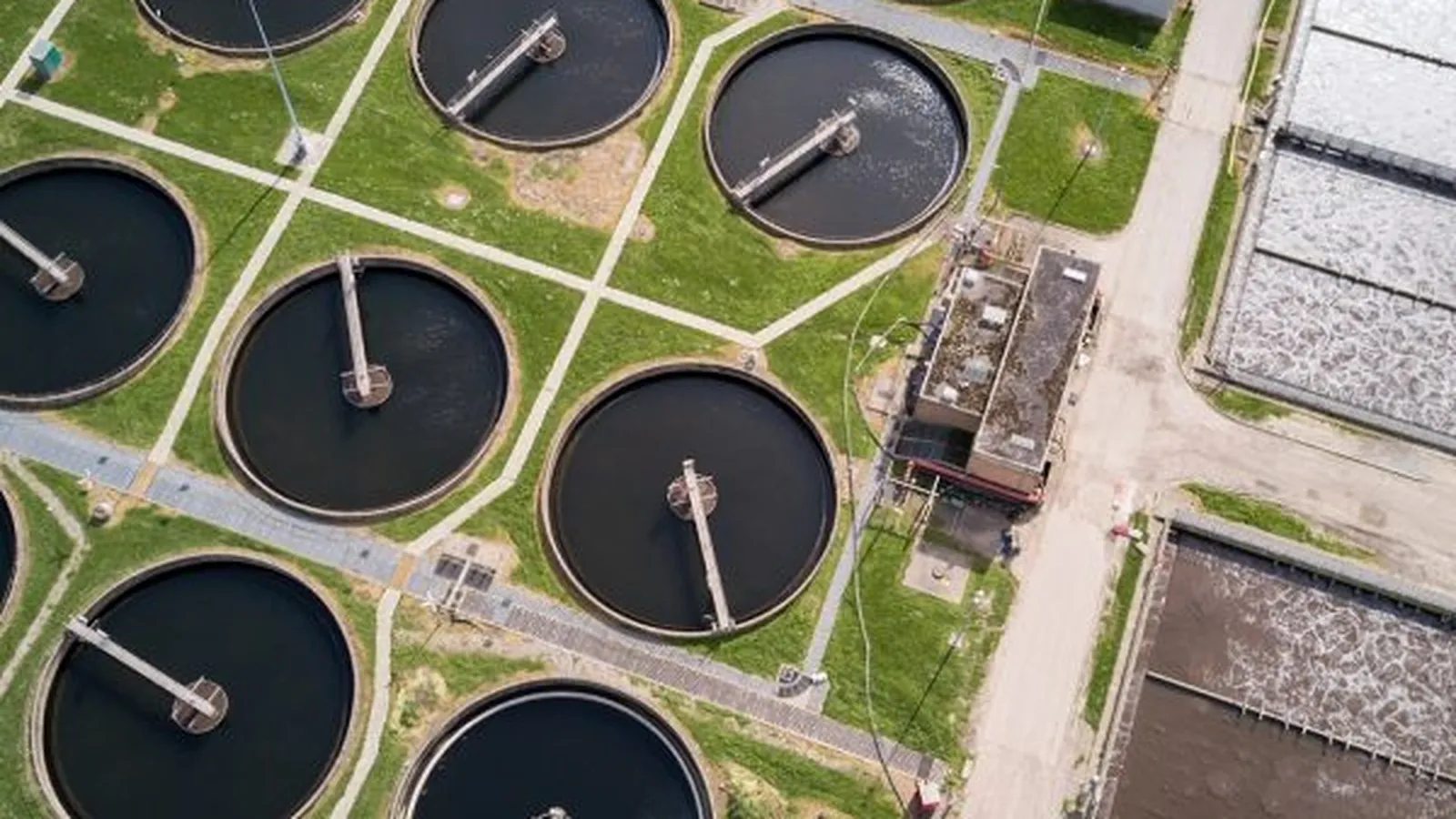
Table of Contents
KEY TAKEAWAYS
- Wastewater's core mixing duty is polymer dosing — flocculant must disperse instantly and evenly to avoid "fish eyes" and wasted chemical.
- Non-clog elements handle solids-laden flows where standard elements plug — the defining wastewater requirement.
- PVC/PP for chemicals, 316 SS for aggressive or high-temp service — material choice follows the chemistry, not the pipe.
- ΔP across a 6-element mixer: 0.3–1.0 bar — retrofit margin check is mandatory in existing plants.
- Static mixers cut chemical overfeed 5-20% in dosing applications — a direct operating-cost line.
1. Why Wastewater Runs on Static Mixers
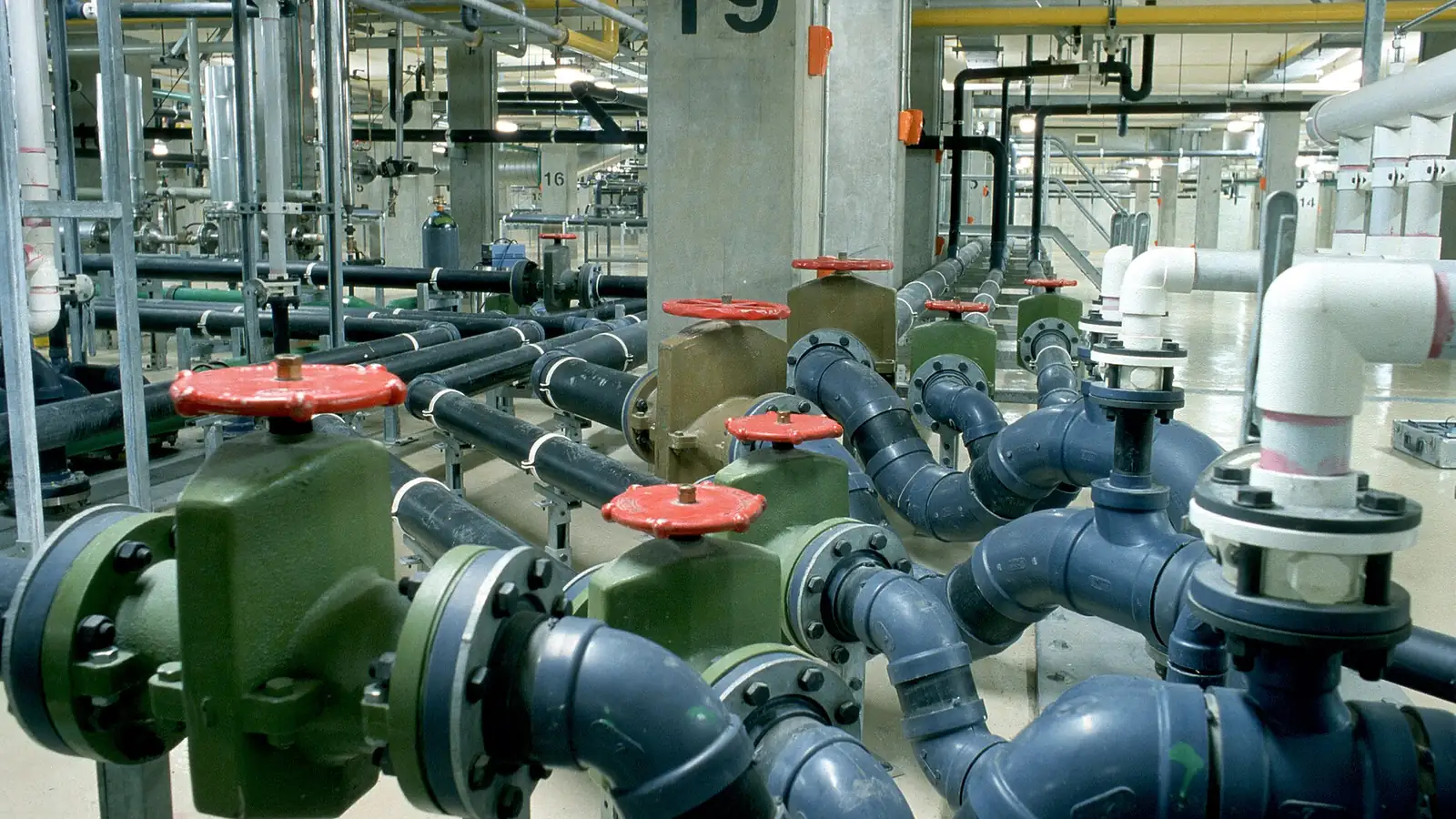
Wastewater plants handle continuous, often solids-laden flow with aggressive chemicals. Static mixers fit because they:
- Mix inline with zero moving parts (nothing to foul except the elements themselves)
- Handle slurries with non-clog element geometry
- Run 24/7 unattended — no motor, seals, or maintenance schedule
- Fit existing piping — retrofits are common
Core duties: polymer/flocculant dosing, coagulant mixing, pH adjustment, disinfection (chlorine/UV pre-dosing), odor control chemical feed.
2. Polymer Dosing: The Fish-Eye Problem
The failure mode: Polymer (flocculant) added to sludge/water arrives as concentrated slugs. Unmixed polymer forms "fish eyes" — gel balls that waste chemical and fail to flocculate.
The static mixer fix: Instant, uniform dispersion at the injection point. With an integrated injection port, the polymer stream enters the mixing zone directly.
| Parameter | Typical value |
|---|---|
| Mixing time | < 1 second |
| CoV target | < 0.05 |
| Elements | 6-element, blade or non-clog |
| Injection port | Recommended (NPT or flanged) |
3. Non-Clog Elements for Solids-Laden Flow
Standard elements can plug on rags, solids, and sludge. Non-clog (open-channel) elements keep a large free area:
| Feature | Value |
|---|---|
| Open channel | Large free area, no dead zones |
| Best for | Sludge, primary effluent, high-solids streams |
| ΔP | Lower than standard (open geometry) |
| Mixing | Adequate for dosing, not ultra-precision |
4. Chemical Dosing & pH Control
Wastewater chemical duties and materials:
| Duty | Chemical | Material |
|---|---|---|
| Flocculation | Polymer (anionic/cationic) | PP / PVC |
| Coagulation | Alum, ferric chloride | PP (aggressive) |
| pH control | Acid / caustic | PP / PVDF |
| Disinfection | Hypochlorite, chlorine dioxide | PVC / PVDF |
| Odor control | Peroxide, sulfide chems | PP / PVDF |
5. Sizing for Wastewater Lines
Key differences from clean water:
- Solids → non-clog elements (standard elements risk plugging)
- Viscosity varies → check Re at worst-case (cold, high-solids) conditions
- Retrofit margin → existing pumps may be near capacity; ΔP check first
Sizing steps: duty → Re → element type (non-clog if solids) → ΔP → material → connections.
6. FAQ
Q: Will a static mixer plug on sludge? Standard elements can; non-clog elements are designed for solids-laden flow — specify them for sludge duty.
Q: Can I retrofit into my existing pipe? Usually yes — match the line size and verify ΔP against pump margin.
Q: What material for ferric chloride? PP handles ferric chloride well; PVC at low concentrations. Confirm with a chemical compatibility table for your exact concentration.
Q: Do you supply polymer injection quills? Yes — fixed and retractable injection quills are available for polymer dosing lines.
Your Action Roadmap
- Identify the duty — polymer, coagulant, pH, or disinfection.
- Check solids — non-clog vs standard elements.
- Verify pump margin — ΔP first.
- Get a quote — with injection ports and certifications.
→ Send us your wastewater duty spec for a sizing recommendation — typically answered within 24 hours.
NEXT STEP
Need a Static Mixer Sized for Your Line?
Send us your requirements — our team responds within 24 hours with pricing and lead time.
Written by
Ray ChanStatic Mixer Sourcing Specialist. Ray helps global importers and plant engineers source reliable inline mixing products.